 en
en vi
viNGAI CAU GREEN OFFICE BUILDING LEED OM V.4.1 – GOLD LEVEL
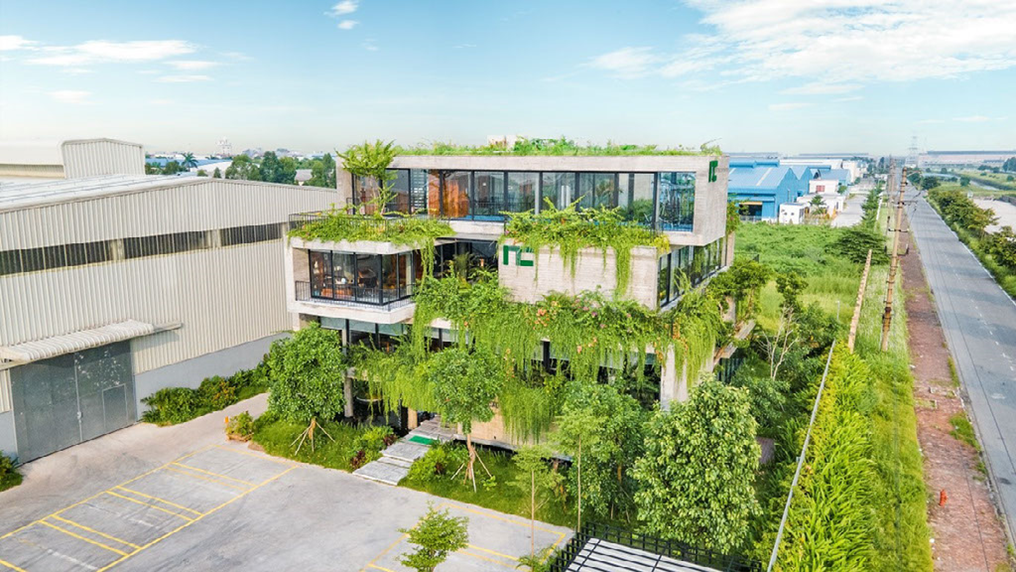
NGAI CAU GREEN OFFICE BUILDING
LEED OM V.4.1 – GOLD LEVEL
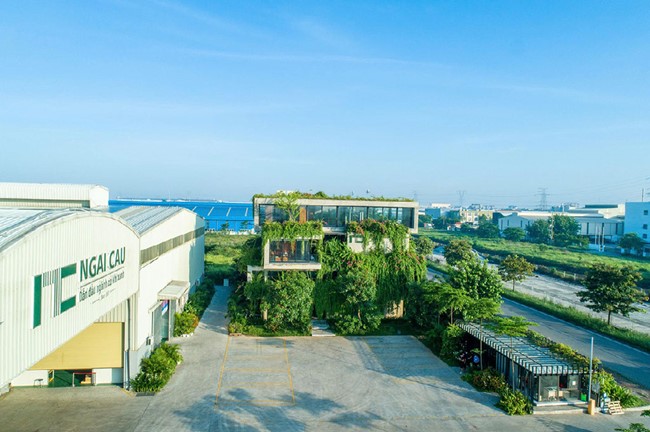
Ngai Cau Green Office Building is a modern workplace located in Dai Dong – Hoan Son Industrial Park, Bac Ninh Province. Integrating contemporary architecture with tropical design principles, the project creates a comfortable, healthy, and environmentally responsible environment for its occupants. Operated in alignment with the LEED v4.1 O+M green building standard, the building is committed to resource efficiency, occupant well-being, and long-term sustainability.
WHAT MAKES A BUILDING GREEN?
The answer goes far beyond energy-saving equipment or green spaces. A green building is the result of thoughtful design, efficient systems, responsible operations, and the daily actions of its occupants.
At Ngai Cau Green Office Building, a range of sustainable strategies work together to conserve resources, support occupant well-being, and reduce environmental impacts. Explore the key features that contribute to the building’s green performance.
The project has achieved many achievements:
Behind every LEED point is a strategy designed to reduce environmental impacts and create a healthier workplace.
- Achieved 13 out of 14 points for location and transportation performance.
- Achieved 10 out of 15 points for water efficiency.
- Achieved 26 out of 33 points for energy performance.
- Achieved 6 out of 9 points for materials and resources.
- Achieved 18 out of 22 points for indoor environmental quality.
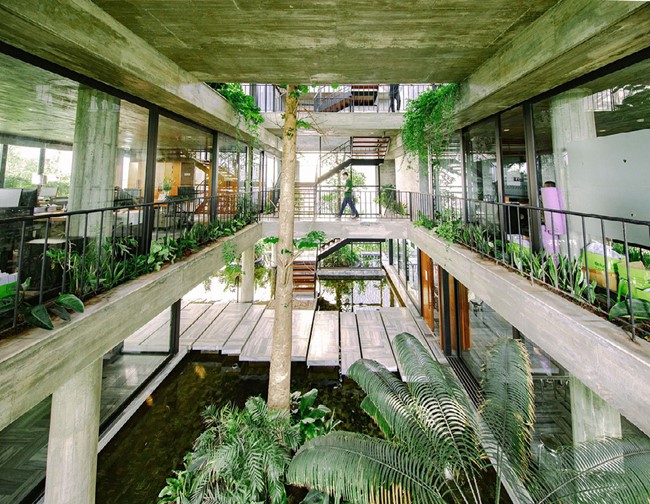
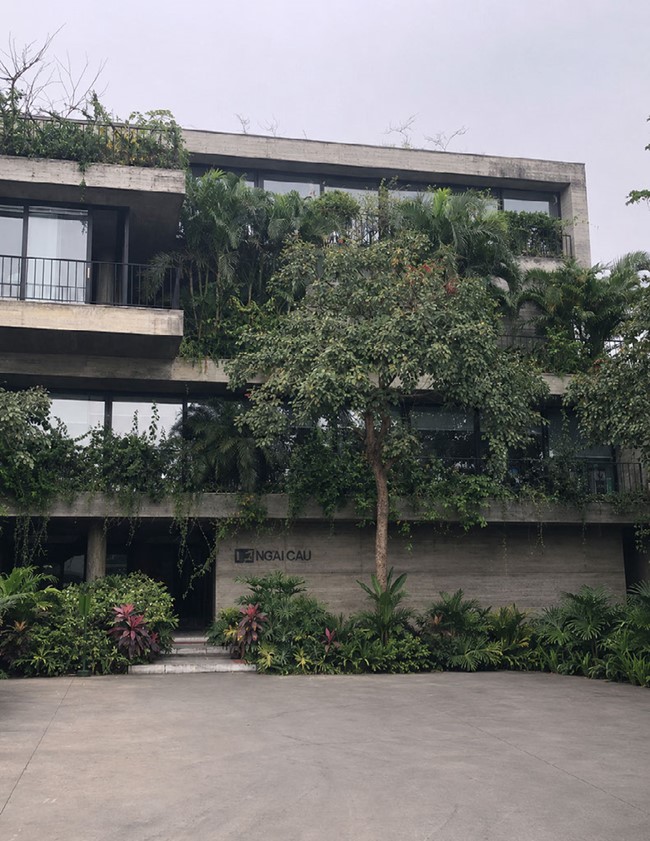 HOW DOES A GREEN BUILDING BEGIN BEFORE WE ENTER IT?Before we enter the building, green strategies are already working through carpooling, landscape, shading and site ecology.
A green building begins with the way people arrive and the way the site responds to nature.
Greener Transportation
Carpooling helps reduce single-occupancy vehicle trips.
Greener Site
Landscape and outdoor vegetation improve the site environment.
Better Microclimate
Vegetation and shading help reduce heat build-up around the building.
HOW CAN WE MANAGE WHAT WE CANNOT SEE EVERY DAY?
Every drop counts — and every number on the meter helps the building operate more responsibly.
Water efficiency begins with monitoring, tracking and responsible operation.
Water Monitoring
Water use is monitored through the outdoor water meter.
Leak Detection
Tracking helps detect abnormal use and possible leakage.
Responsible Use
Efficient water use reduces operational cost and pressure on water resources.
WHAT IF THE BUILDING COULD STAY COOLER, BRIGHTER AND MORE COMFORTABLE — BEFORE USING MORE ENERGY?
The most efficient energy is the energy we do not need to use.
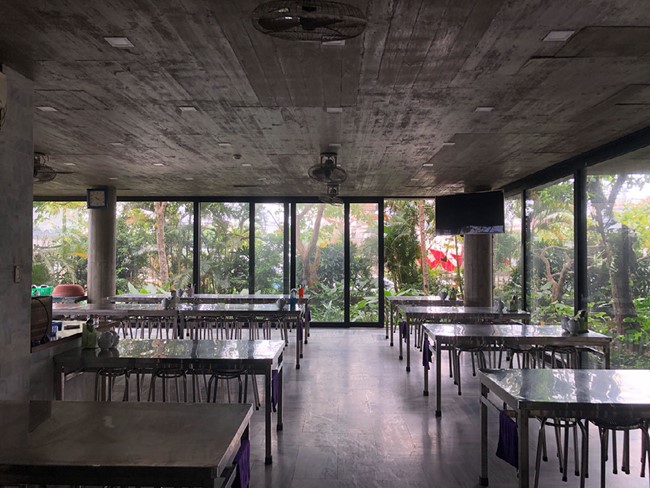
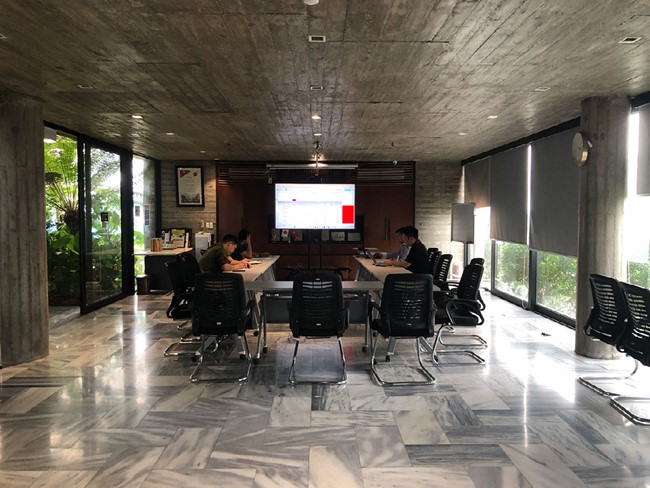
Passive design uses landscape, daylight, shading and airflow to reduce energy demand and improve comfort.
Less Heat
Landscape, shading and surface selection help reduce heat build-up.
More Daylight
Natural daylight reduces artificial lighting demand and improves visual comfort.
Better Airflow
Spatial layout and airflow support indoor comfort.
 WHO HELPS THE BUILDING STAY EFFICIENT AFTER THE DESIGN IS COMPLETE?
A green building does not stop saving energy after it is built — it saves energy every day through the way it is operated and used.
Energy efficiency is not only designed into the building — it is maintained every day through smart systems, careful operation and responsible user behavior.
Comfort with Less Energy
Efficient HVAC systems help maintain thermal comfort while reducing unnecessary energy use.
Smarter Daily Use
Lighting and equipment controls guide users to use energy more responsibly.
Performance That Stays on Track
Operation, maintenance and monitoring help keep the building performing as intended.
Carbon Link
By reducing energy demand, the building can also help lower greenhouse gas emissions from operation.
WHERE DOES A GREEN BUILDING PROVE ITS VALUE EVERY DAY?
Green building performance is not only achieved once — it is cared for every day through people, procedures and responsible choices.
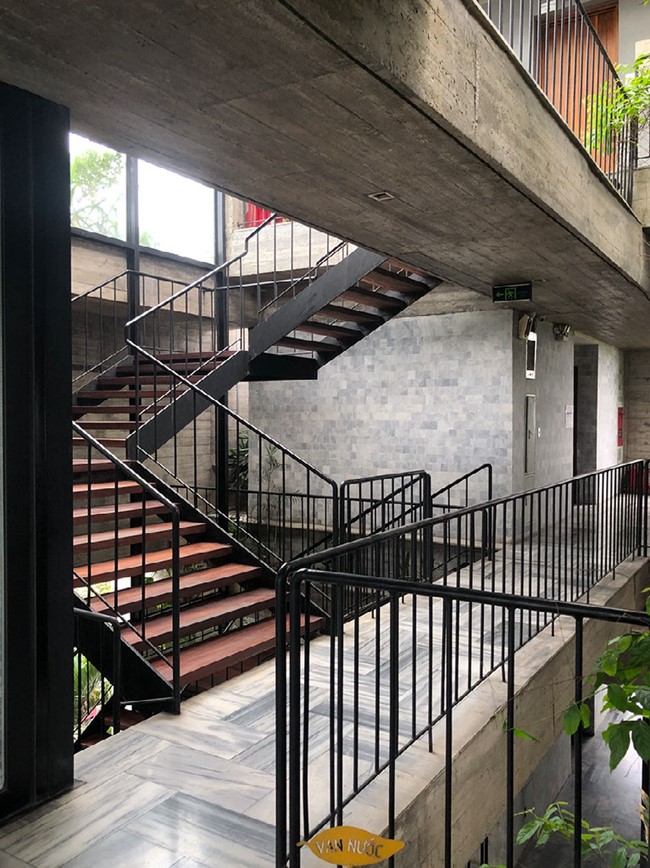
Green performance is protected and renewed through daily operation — from waste sorting and green cleaning to indoor air quality and occupant health.
Responsible Resources
Waste sorting and recycling help turn daily habits into responsible resource use.
Healthier Indoor Spaces
Source control, no-smoking policy and good operation help protect indoor air quality.
Green Operation in Action
Green cleaning, IPM, waste management and sustainable purchasing help maintain long-term performance.
 SMALL ACTIONS KEEP A GREEN BUILDING ALIVE.
A green building is created by design, supported by systems and sustained by people.
Design + Systems + Operation
Green building performance comes from the connection between architecture, technical systems and daily operation.
Connected Resources
Water, energy, materials and indoor health are closely connected.
People Make It Last
Occupant behavior helps protect and maintain green building performance.
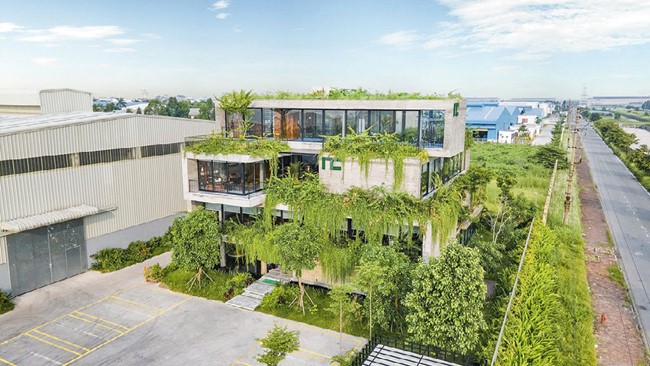 Green architecture creates the foundation. Green operation keeps it alive. Green people make it meaningful.


